The Jewish people have carried more than 7,000 years of their history, and it enables them to connect with their people all over the world. They know who their friends are and who their enemies are.
For example, they know that the Gaza Strip today is the very land of the Philistines of the Bible, the land of Goliath, even though names have changed over time. They preserve this knowledge because they teach their children their story every morning and every evening through the Shema.
We, by contrast, do not know our history past a few centuries, and because of this, we are lost. That must end now. We will begin to teach our children our history every morning and evening so they never forget who they are.
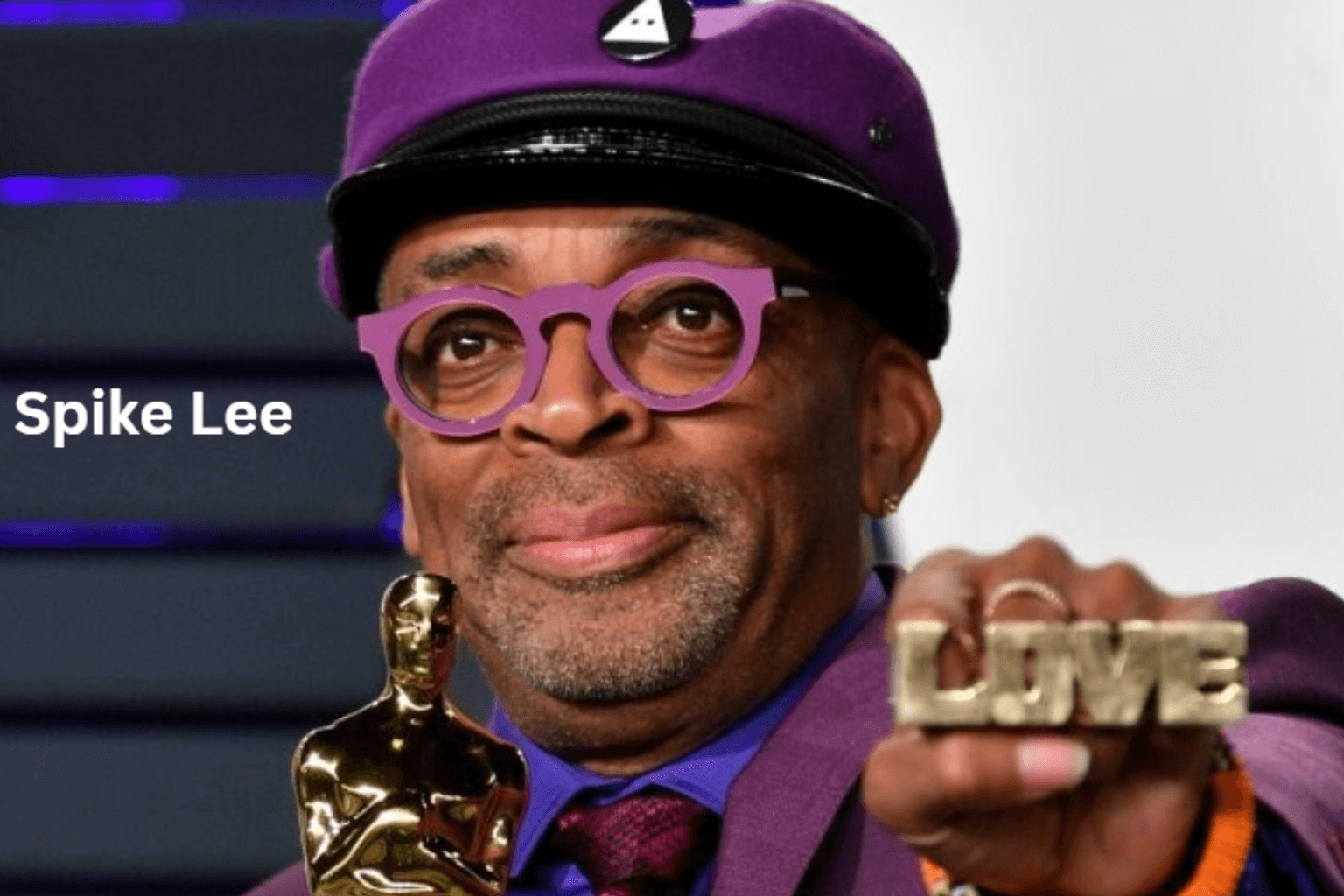
As Spike Lee once put it while tracing his ancestry:
“I want my children to know they are standing on the shoulders of great people. They should use that to motivate them to excel. History is very important.”
He is who he is today because of his ancestors. And so are we.
The story of the Tikar people is one of greatness, betrayal, survival, and now, rebirth.
Our Migration and Origins
Many African Americans today can trace their ancestry back to a variety of African tribes. What is often forgotten is that many African tribes were historically nomads, traveling across Africa and even beyond thousands of years before slavery.
The earliest known vessels were built in Africa more than 40,000 years ago, giving Africans a head start at exploration. Wherever they went, they left a piece of their culture.
The Tikar are one of these tribes. Oral tradition traces their origin back to the Nile River Valley in modern-day Sudan. Known originally as the Sicar, they lived along the Nile adjacent to the Meroë Kingdom and the ancestors of the Fulani. There, they developed cattle grazing, iron-smelting, horseback riding, and warrior skills. Their language evolved into the modern Bantu dialect now called Tikar.
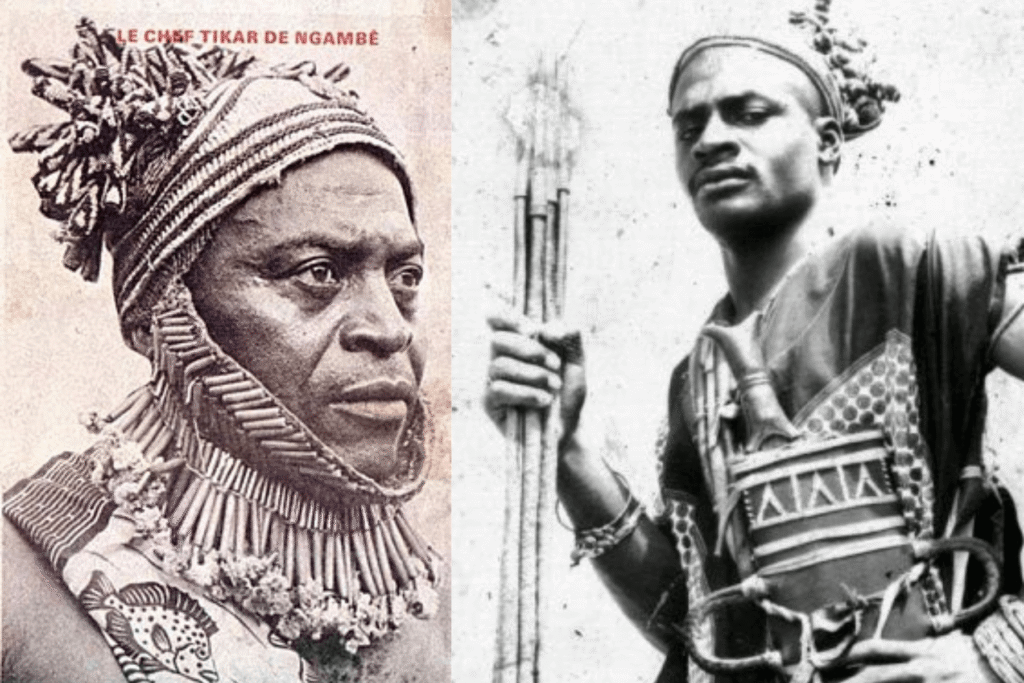
Around 933 CE, the Tikar migrated westward into Cameroon, first settling near Lake Chad and Adamawa, where they established their first village, Anganha. Their chiefs, known as Fon, created a royal lineage beginning with Fon Nayasana. From this foundation, the Tikar pushed further into the Bamenda Grassfields, bringing with them the skills of iron-making, cavalry warfare, and state-building.
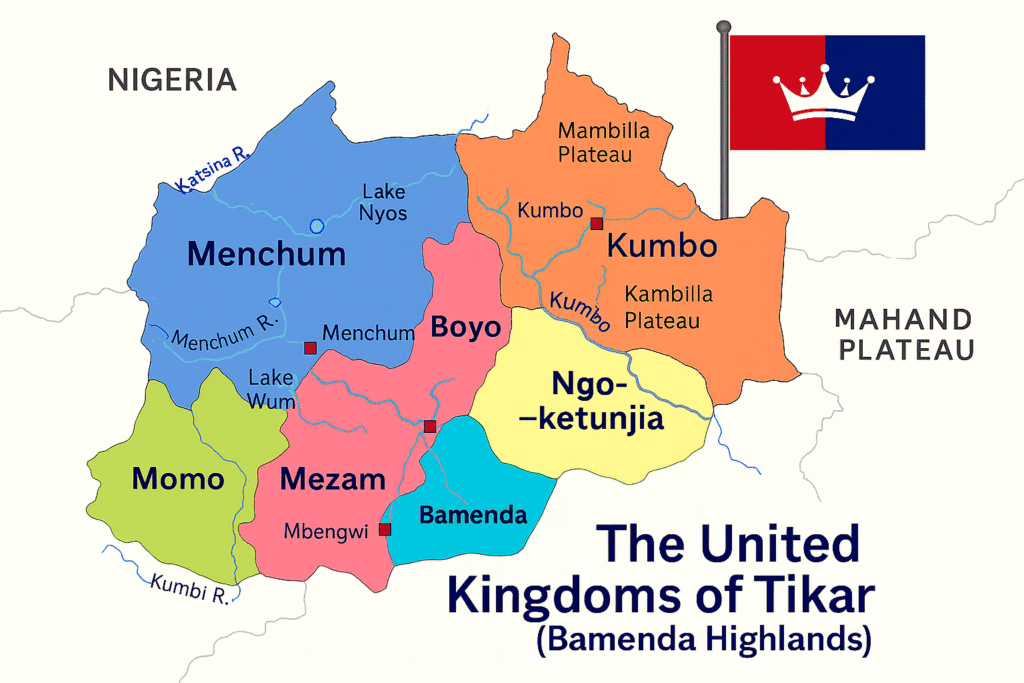
The Tikar Empire grew powerful, organizing up to 15 kingdoms at its height. Ngambe was the largest, birthing ruling classes that spread across Cameroon. Each kingdom was ruled by a Fon who supervised nobles, merchants, military leaders, and farmers. Tikar soldiers, skilled in iron weaponry and horseback combat, secured the region, maintained peace, and taxed neighboring groups.
Life under the Tikar was structured, prosperous, and culturally rich. A caste system existed, but all lived with dignity. The Tikar were known for their sophisticated government, artistry, and warfare. They pioneered bronze-casting, mask-making, music, and dance, and became the center of trade in Central Africa.
Boys underwent vocational training, learning wood-carving, mask-making, iron-smelting, and crafts. No other group in the region matched their artistry and power.
Princess Wu Tan strengthened this heritage in 1299 by establishing a Tikar dynasty that lasted for decades. By the 1800s, however, jealous neighbors and Europeans targeted them. Their prosperity and influence earned them both admiration and envy.
Surrounded, the Tikar struggled to defend the coast, lacking modern firearms, and were eventually weakened by the combined forces of the Atlantic slave trade, Islamic jihad, and European colonization.
By the late 19th century, the once-mighty Tikar had been broken into smaller villages, hiding in forests, enslaved, or converted under pressure from Islam and Christianity. Yet, even in their scattering, their masks, their dances, their soil rituals, and their pride in ancestry survived.
Africa’s Uniqueness
Africa is the only continent with black people as its majority. Yet, we have been taught to think of ourselves as “one,” when in truth, we have never been one. We should not erase our uniqueness simply because of skin color.
Before the slave trade, Africa was a continent of distinct empires and nations: Mali, Songhai, Benin, Ashanti, Ethiopia, Great Zimbabwe, Zulu, Kanem-Bornu, Kongo, Oyo, Dahomey, and the Tikar kingdoms of the Grassfields. Each had its own rulers, cultures, and systems of governance.
Go to Asia and the Chinese man knows who he is, and he is not Japanese. Go to Europe and the British man knows he is not French, even if they look similar. In Africa, I can tell an Igbo from a Yoruba by their face. I can tell a Tikar Highland man from a coastal man just by hearing him speak. These differences are not weakness, but strength. They are markers of heritage.
African Americans know their story 400 years back — their uniqueness survives in spite of slavery. But here in Africa, we were told to bury our identities under colonial borders, drawn only 141 years ago in Berlin. Our strength lies not in erasing who we are, but in embracing it.
From Founders to Slaves
We are the descendants of founders, kings, and builders. From two brothers rose a civilization that shaped the Grassfields, building kingdoms rooted in wisdom, dignity, and culture.
But betrayal came from our own neighbors. The coastal elites of Douala, Kribi, and the Southwest captured and sold 120,000 of our people into slavery. From the North, the Fulani Caliphate raided our land, seizing over 300,000 men, women, and children for the Arab slave trade, castrating our men, turning our women into sex objects, and destroying generations of potential.
For over 400 years before a white man ever set foot in Bamenda, it was our coastal and northern neighbors who captured and sold us. The first white man we saw in the Tikar Grassfields was Eugène Zingraff in 1889.
So who then enslaved us for centuries before? It was not the Europeans directly. It was the Douala, the Kribi, the Southwest, and the Northern Caliphates.
A Century of Foreign Rule
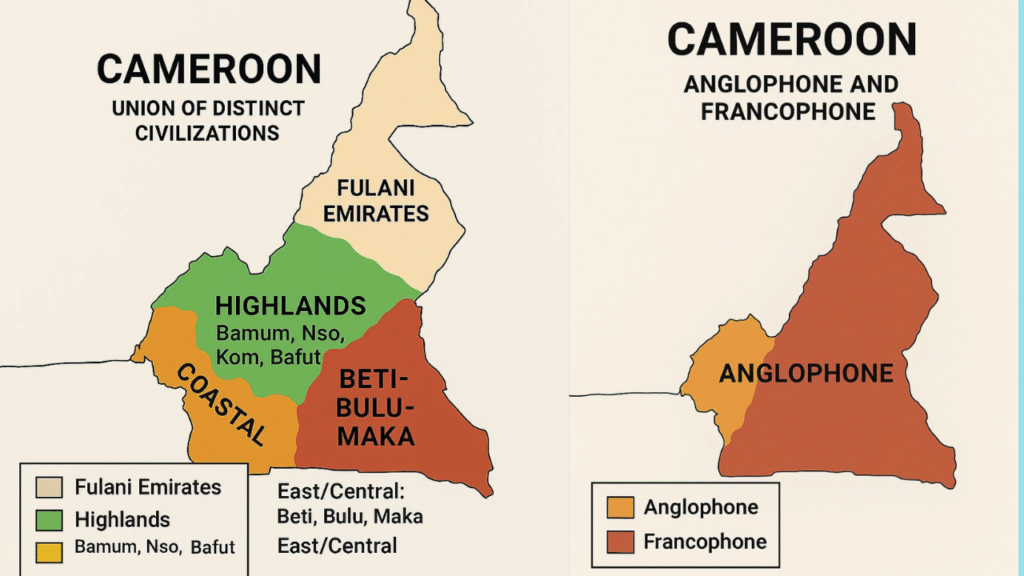
As if that was not enough, colonial Germany boxed us into a man-made construct called Cameroon, forcing us under the rule of the very people who enslaved us. After independence, power was handed not to us, but to our oppressors.
For more than sixty years we have been ruled under this arrangement. First came Ahidjo from the North. Then Paul Biya and his forest people joined them in oppression. Supported by coastal elites who once sold us away, they deepened our pain.
For forty-two years, Paul Biya’s regime stripped us of dignity, talent, and hope.
Yet We Survived
Despite more than five centuries of pain, our bloodline did not die. Even in the slave ships, our ancestors never stopped protecting us. Their spirit carried across the Atlantic.
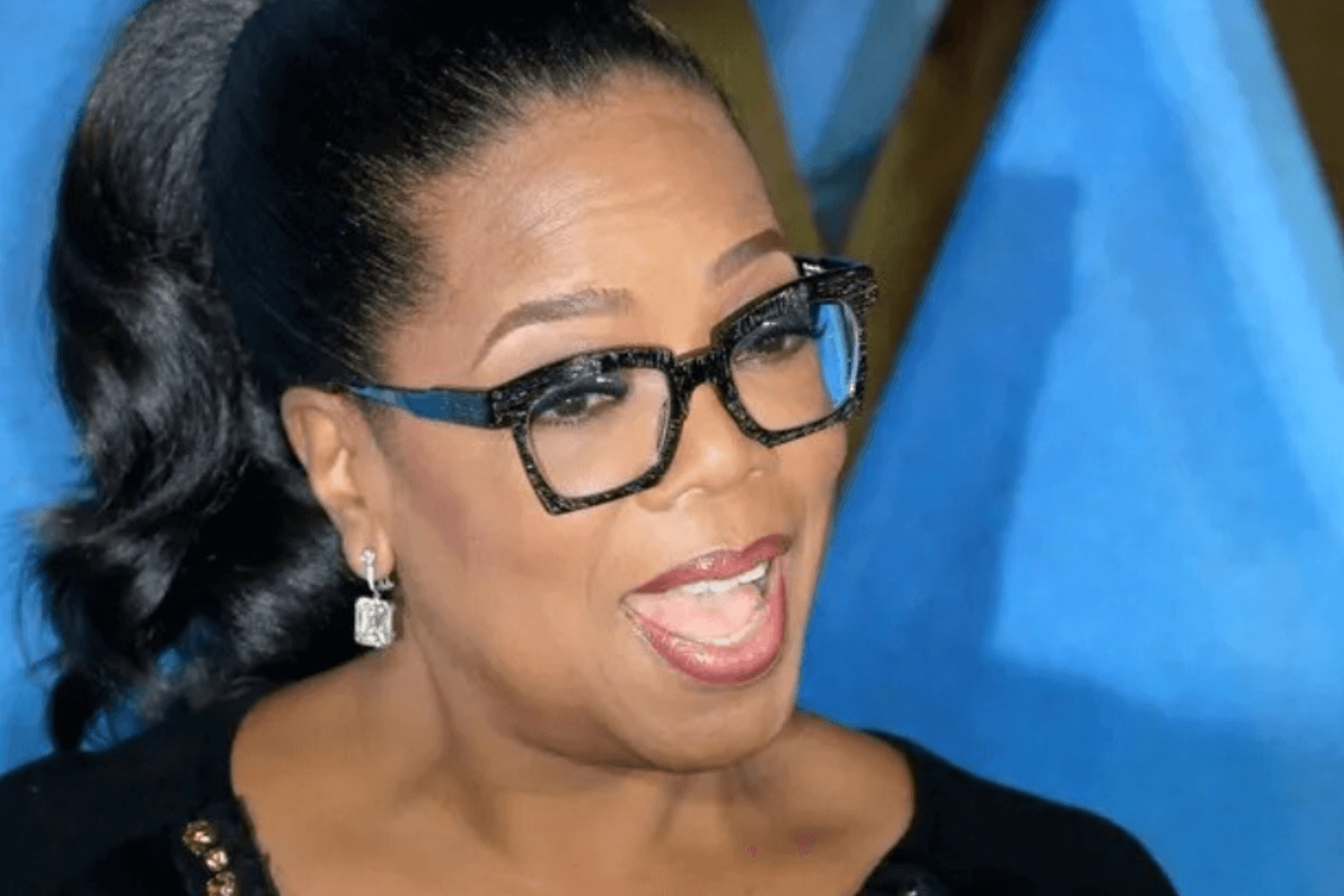
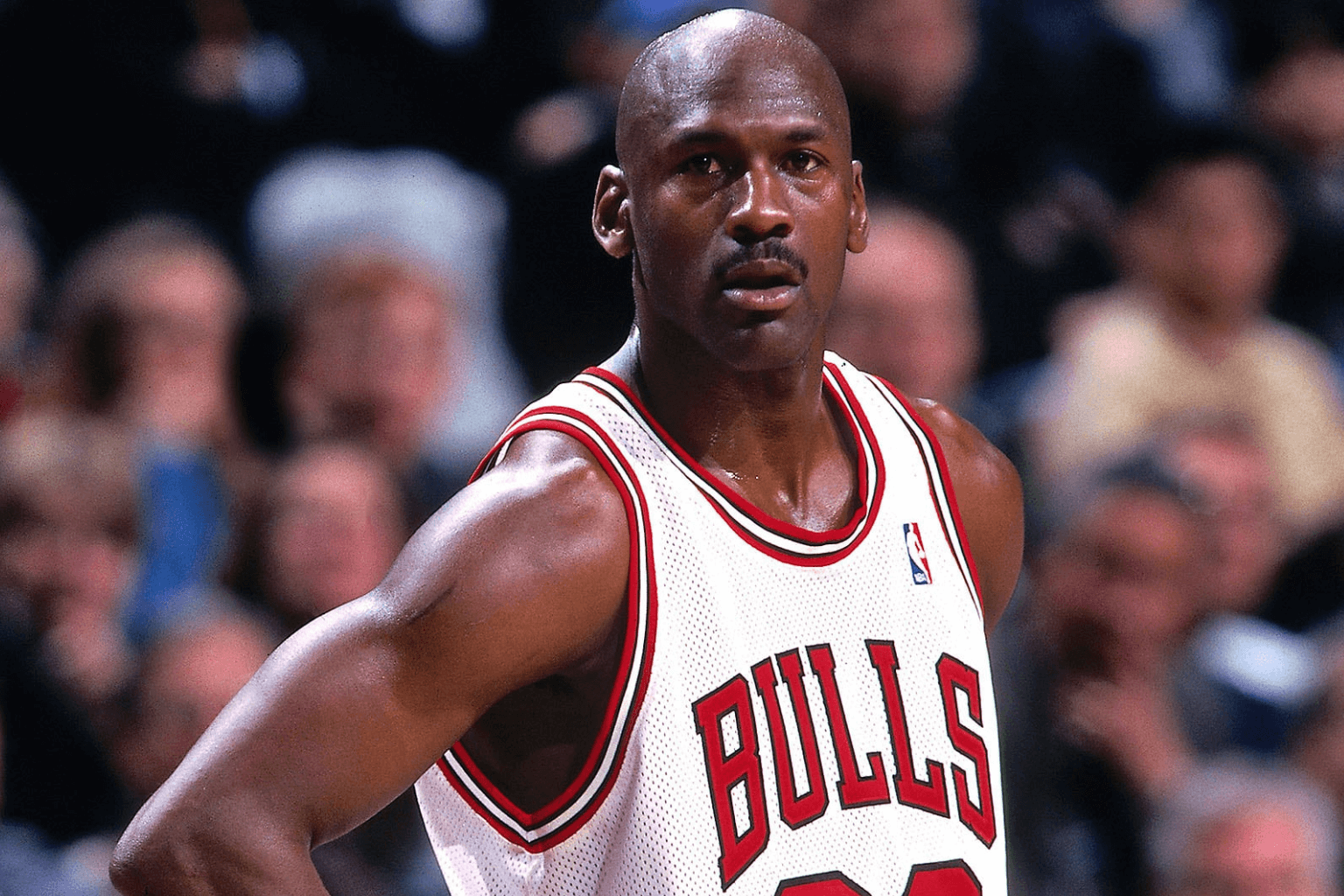
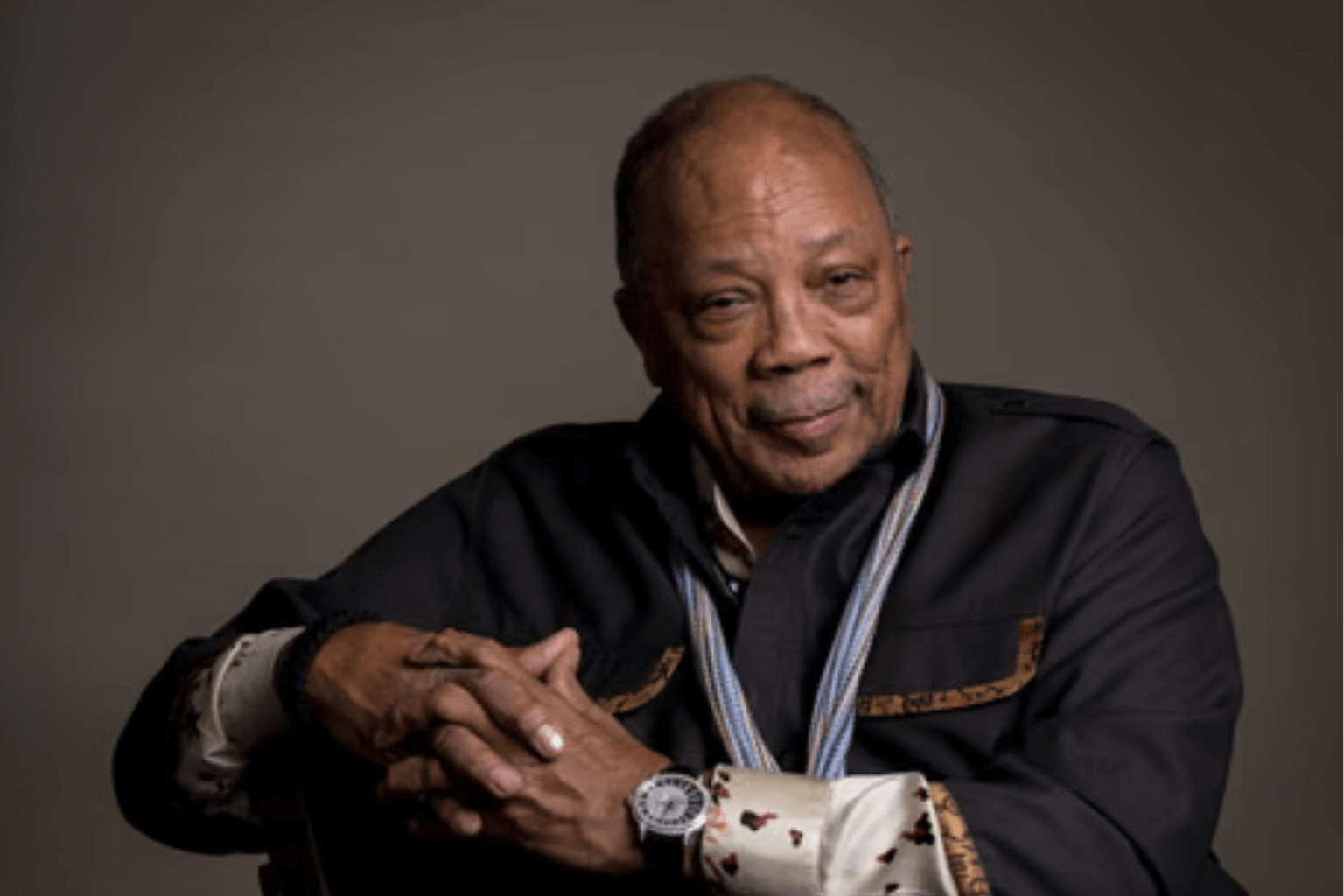
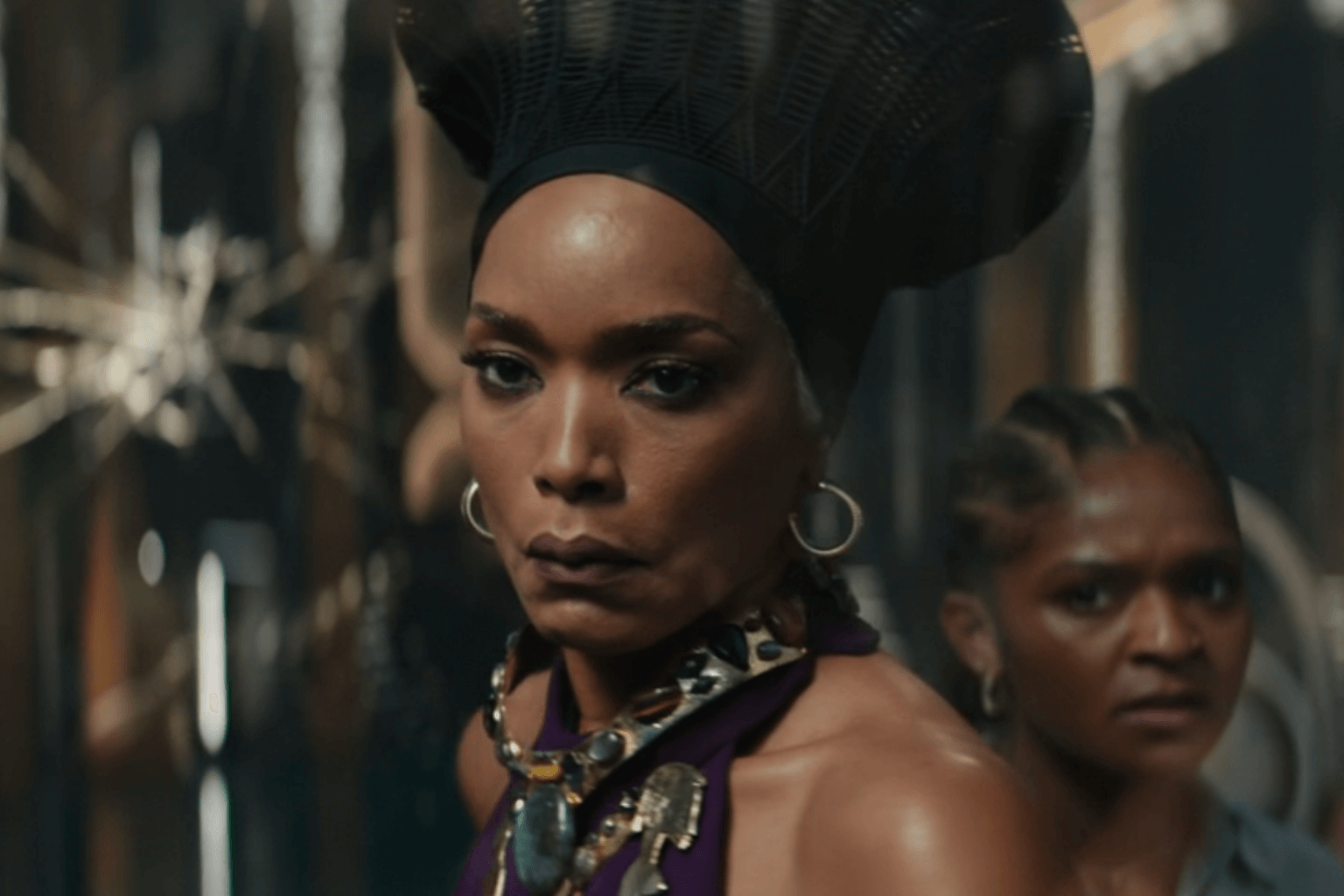
Today, the greatness of the Tikar survives in global icons such as Oprah Winfrey, Michael Jordan, John Legend, Condoleezza Rice, Quincy Jones, Samuel L. Jackson, Forest Whitaker, Angela Bassett, Sheryl Lee Ralph, and many others.
Their success is proof that the Tikar people cannot be erased.
Our suffering has been severe. Even today, our people work on plantations like the CDC, lands where our ancestors were once forced into slave labor under chiefs like Manga Williams.
I recently spoke to a woman who migrated to Canada; she told me she was born in the Northwest to a parent who had been forced into work on the CDC plantation.
Bimbia, now called Limbe, where the name Ambazonia originates, was once the port where thousands of our people were captured and sold. The chains of slavery were never fully broken. They were only modernized.
The Rebirth of Tikar
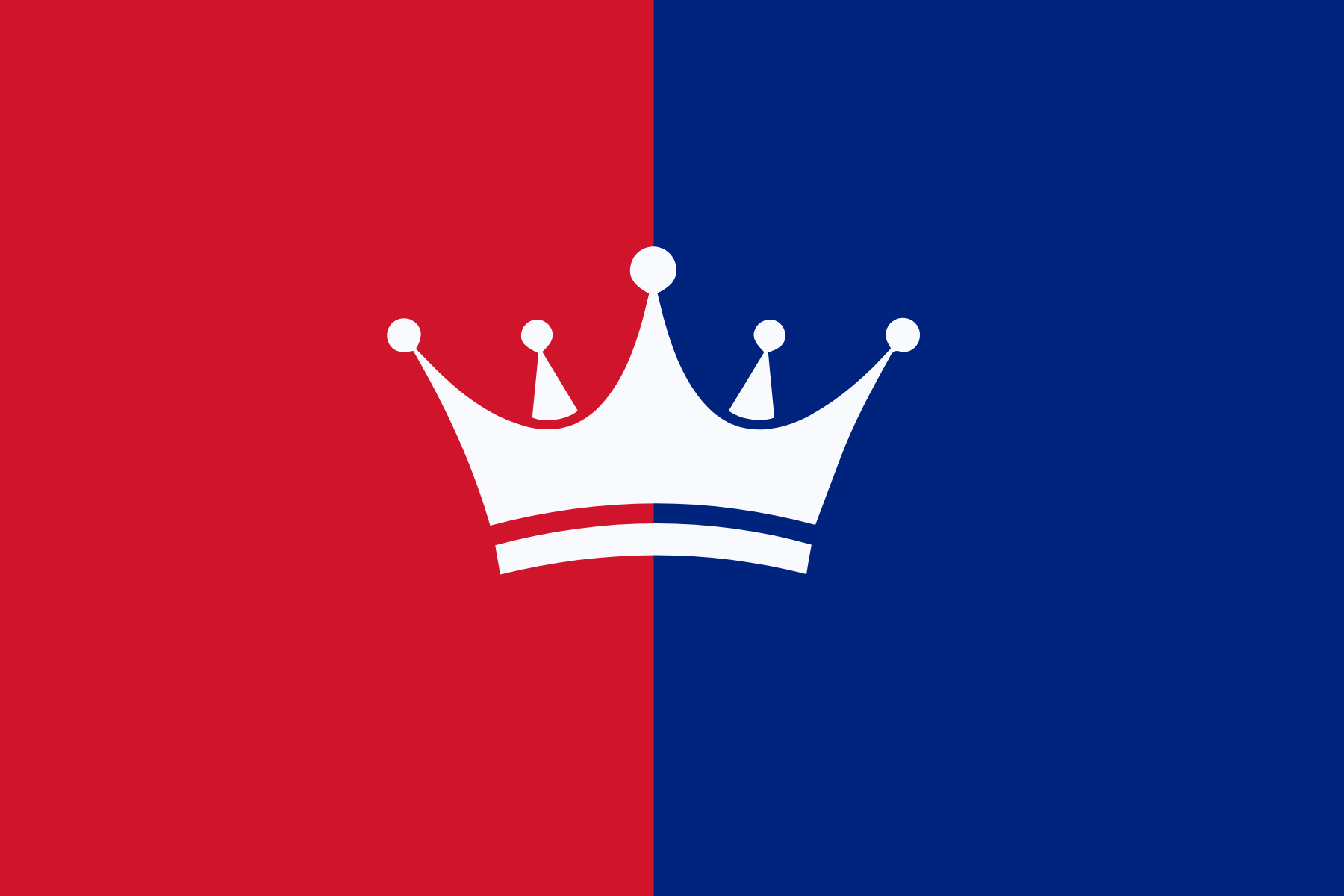
Now we rise again. We declare our true identity as the United Kingdoms of Tikar, a name rooted in our fonship, our kingdoms, and our dignity.
We are not offering false promises. We are building a safe home, where our children go to school, where businesses flourish, and where tradition meets innovation.
Guided by the wisdom of nations that rose from the ashes such as Singapore with its economic strategy and Israel with its defense resilience, we will preserve our people forever.
Our youth will be trained not only in knowledge and industry, but also in Krav Maga, to ensure that we are never destroyed again.
Our Call to the World
We are not Cameroonians. We are Tikar.
We never signed any treaty with Europeans. It was the Southwest, Douala, and Kribi people who signed, and they are Cameroon. We are not. We never agreed to any union called Cameroon.
We demand reparations from those who enslaved us, the coast, the north, and their allies, just as African Americans demand justice from those who enslaved them.
But we do not make the white man our enemy. We will build businesses with the West, partner with the world, and create a future of peace and prosperity.
This is the Rebirth of Tikar
Our ancestors built civilizations.
Our descendants will preserve them.
And together, we will write a new chapter for Africa, one of dignity, truth, and freedom.